
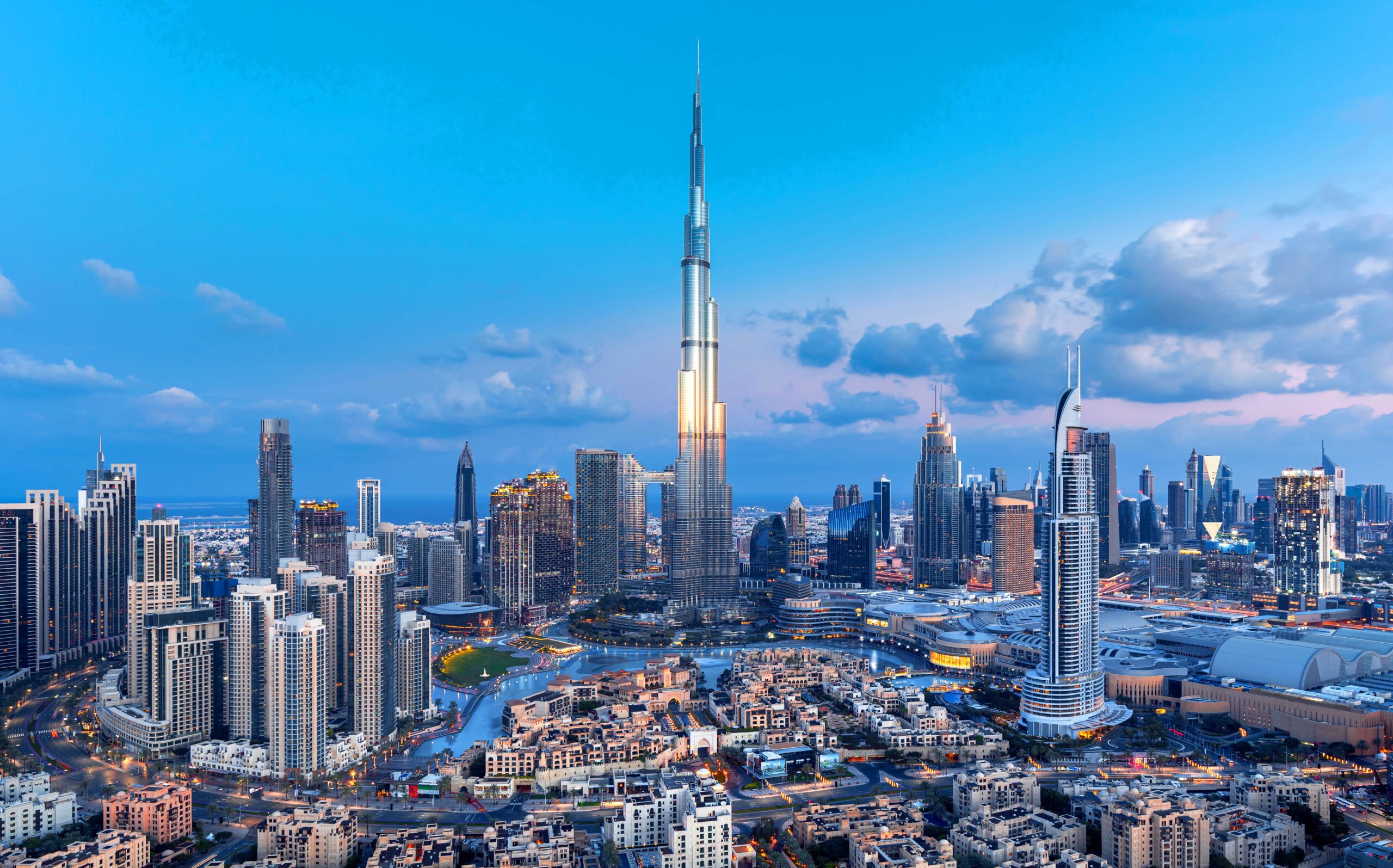
Dubai has evolved into a global epicenter for “Agentic AI,” blockchain, and fintech. With the launch of the Dubai AI and Web3 Campus and the city’s goal to become the world’s most AI-ready hub, the infrastructure for tech professionals and startup founders is unmatched. Unlike Italy or Germany, Dubai offers a 0% personal income tax environment, making it a high-reward destination for specialized talent.
How to Get There: The 2026 Visa Pathways
Dubai has moved away from traditional sponsorship models to offer more independence to tech experts through “Self-Sponsorship” visas.
1. The Golden Visa (10-Year Residency)
This is the ultimate goal for high-level tech professionals and AI specialists.
- Target: Software engineers, AI researchers, and “Specialized Talents.”
- Requirements: A bachelor’s degree (minimum) and a monthly salary of at least AED 30,000 (~€7,500).
- Perks: You do not need a local sponsor, you can stay outside the UAE for as long as you like without losing residency, and you can sponsor your family (and even domestic staff) for the full 10-year duration.
2. The Green Visa (5-Year Residency)
Introduced for those who want independence without the high salary bar of the Golden Visa.
- Target: Freelancers, self-employed individuals, and skilled employees.
- Requirements: For freelancers, you need a permit from the Ministry of Human Resources (MOHRE) and proof of an annual income of AED 360,000 (~€90,000) for the past two years.
- Perks: A 5-year self-sponsored residency with a 180-day grace period to stay in the country if you decide to change jobs or close your business.
3. The Remote Work Visa (1-Year Residency)
If you already have a job or a startup based outside the UAE, you can live in Dubai while working remotely.
- Requirements: Proof of employment with a one-year contract and a minimum monthly salary of $3,500 (~€3,200).
How Much Money Do You Need?
Dubai requires a significant upfront investment, but the lack of income tax allows you to recoup these costs quickly.
Upfront Visa & Administrative Costs
Expect to pay between AED 5,000 and AED 10,000 (€1,250 – €2,500) for your initial visa processing, which includes:
- Medical Fitness Test: ~AED 320 (Blood test and X-ray).
- Emirates ID: ~AED 370–670 (Your mandatory digital identity card).
- Health Insurance: Mandatory for residency. Basic plans start at AED 650/year, but comprehensive tech-executive plans average AED 5,500/year.
Monthly Cost of Living (2026 Estimates)
Dubai’s cost of living is comparable to London or New York, with housing being the largest expense.
| Category | High-End (Marina / Downtown) | Mid-Range (Silicon Oasis / JVC) |
| Rent (1-Bedroom) | AED 8,500 – AED 11,000 | AED 4,500 – AED 6,500 |
| Groceries | AED 1,500 – AED 2,500 | AED 1,000 – AED 1,500 |
| Utilities & Cooling | AED 800 – AED 1,200 | AED 600 – AED 900 |
| Transport (Metro/Taxi) | AED 500 – AED 800 | AED 350 – AED 600 |
| Total (Monthly) | AED 11,300 – AED 15,500 | AED 6,450 – AED 9,500 |
| In Euros (€) | ~€2,800 – €3,900 | ~€1,600 – €2,400 |
To move to Dubai comfortably as a tech professional, you should have at least AED 40,000 to AED 50,000 (€10,000 – €12,500) in liquidity. This covers your initial visa fees, a security deposit for an apartment (usually 5–10% of the annual rent), and your first two months of living expenses.
While the “burn rate” is higher than in Italy, the zero-tax salary and the massive concentration of venture capital and startup accelerators (like the Dubai Future Foundation) make it the most profitable region for anyone building the next generation of AI agents.