
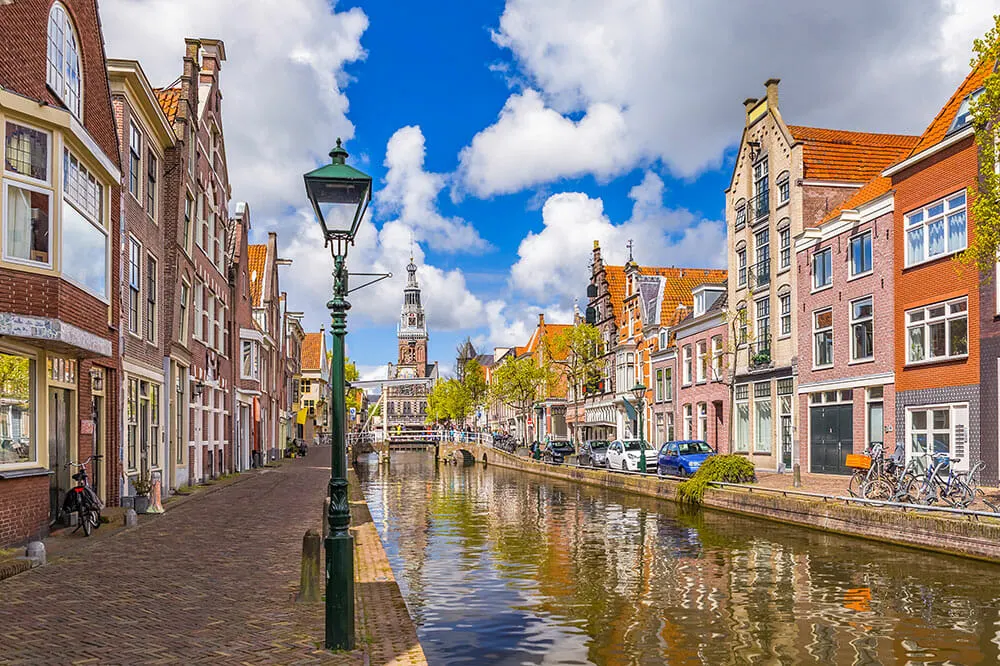
The Netherlands has solidified its position as Europe’s “Digital Gateway” for 2026. With a massive concentration of data centers, a thriving fintech scene in Amsterdam, and the world-leading semiconductor hub in Eindhoven (home to ASML), the country remains a top-tier destination for tech talent.
The Tech Landscape: Amsterdam, Eindhoven, and the Randstad
The Dutch tech ecosystem is highly decentralized, with specialized hubs across the “Randstad” area:
- Amsterdam: The fintech and SaaS capital. It hosts the European headquarters for hundreds of global tech firms and has one of the most vibrant startup ecosystems in the world.
- Eindhoven (Brainport): The high-tech hardware and semiconductor heart of Europe. If you work in embedded systems, AI for manufacturing, or robotics, this is the place to be.
- The Hague & Delft: Global leaders in cybersecurity and quantum computing research.
- Utrecht: A rising hub for health-tech and sustainable gaming development.
How to Get There: The 2026 Visa Pathways
The Netherlands is famous for its “Highly Skilled Migrant” (Kennismigrant) program, which is designed to be one of the fastest and most transparent in the EU.
- The Highly Skilled Migrant Visa: To qualify, you must be hired by a Dutch company that is a “Recognized Sponsor.” There is no points system or labor market test; if you meet the salary threshold, the visa is typically approved within 3 to 5 weeks.
- The 2026 Salary Thresholds (Gross Monthly):
- Aged 30 or older: €5,532 (plus 8% holiday pay).
- Aged under 30: €4,056 (plus 8% holiday pay).
- Reduced rate (for Dutch university graduates): €2,910.
- The 30% Ruling (2026 Update): This is the most famous benefit. Under the 2026 rules, qualifying tech professionals can receive up to 30% of their gross salary tax-free for five years. This significantly increases your net take-home pay compared to local workers.
- The Startup Visa: For entrepreneurs, a one-year visa is available to launch a business, provided you have a “facilitator” (mentor) based in the Netherlands.
Financial Requirements: How Much Money Do You Need?
The Netherlands, particularly Amsterdam, is experiencing a historic housing shortage in 2026, meaning your biggest upfront cost will be securing a home.
Upfront Relocation Costs
- Visa Fees: The application fee for the Highly Skilled Migrant visa is approximately €380, usually paid by the employer.
- Housing Deposit: Landlords typically require two months’ rent as a deposit. In Amsterdam, this can easily be €4,000–€5,000.
- Agency Fees: While “double-charging” is illegal, many expats use relocation agents to find housing in the competitive market, which can cost €1,500–€2,500.
Monthly Cost of Living (2026 Estimates)
| Category | Amsterdam / Utrecht (High) | Eindhoven / Groningen (Mid) |
| Rent (1-Bedroom Apartment) | €1,800 – €2,500 | €1,200 – €1,600 |
| Utilities & Energy | €250 – €350 | €200 – €280 |
| Groceries | €350 – €500 | €300 – €450 |
| Transport (NS Rail/Bike) | €100 – €200 | €80 – €150 |
| Total (Monthly) | €2,500 – €3,550 | €1,780 – €2,480 |
To move to the Netherlands comfortably in 2026, you should have at least €10,000 to €15,000 (~$11,000–$16,500) in liquid savings. The majority of this will be used for the high rental deposits and the first month’s rent.
However, with senior developer salaries in Amsterdam now averaging €85,000 to €110,000 and the 30% tax-free allowance tech professionals in the Netherlands often have some of the highest disposable incomes in Europe after their first year.